Gas sensing equipment to measure toxic gas in the environment
Leader Do Van Minh proudly talked about the idea of creating a sensor to measure toxic gasses in the environment. When heavy and light industries are gradually developing, environmental problems such as water and air pollution... are always a great concern of society. Although there are specific methods to reduce emissions from production activities or in daily life, all toxic gasses that cause hazards to human health exist in colourless, odourless, tasteless forms.
“We keep saying NH3 smells like urine, but only in high concentrations can our noses smell and detect. When the concentration of gas is in the range of under several hundred ppm, we can not recognize their existence at all. Therefore, the use of sensors capable of detecting these toxic gasses at very low concentrations will help early detection and timely resolution methods" – Minh shared.
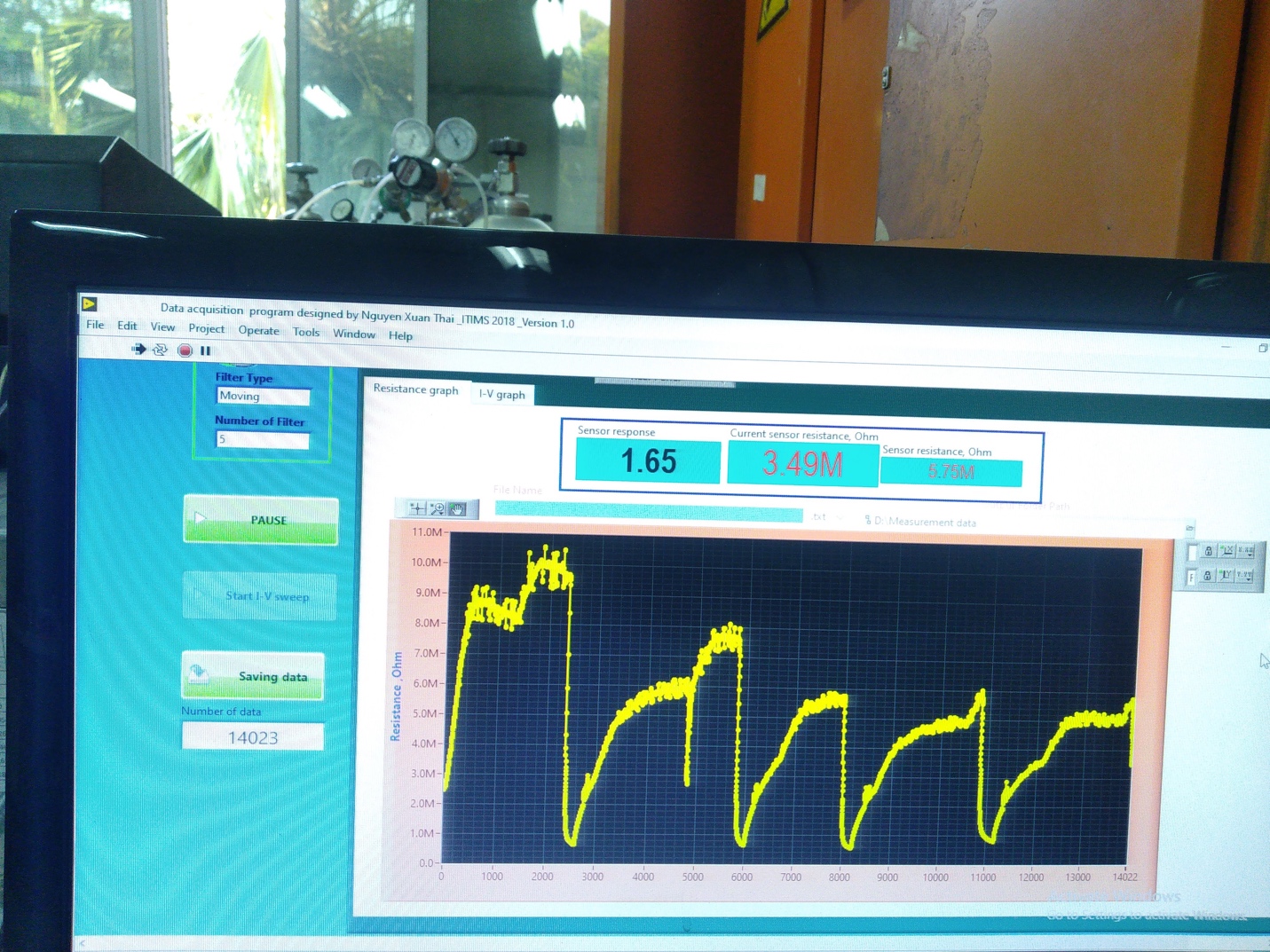
Their goal is to make the device compact, easy to use and low-cost. The team designed and made it themselves. Minh and his friends investigated gasses such as Ammonia, NH3, H2S, and other gasses such as NO2. Initially, the team created a material sensitive to more gasses, but then they decided to focus on measuring one gas - NH3.
The sensor is built to be completely able to meet the original set goal. Based on the sensor's gas response graph, the device’s high response time and recovery time still have spaces for improvement. Meanwhile, the gas measuring device works well and the functions programmed on the device operate stably.
The algorithms and controls inside the device are implemented by a group of students based on the knowledge learnt at the School of Engineering Physics and other reference documents, and articles. The methods of measuring and processing experimental data are also referenced from international articles and books by leading professors in the Vietnamese gas sensing field.
Reporting by Gia Han - Translating by Khanh Van - Editing by Ha Kim
Author: Hà Kim
Newer articles
Older articles
-
 HUST Scientist Publish Ferroelectric Materials Breakthrough...
-
 Nearly 3,000 HUST Students Graduate in May 2025...
-
 HUST and TU Dortmund Conduct Joint Scientific Research
-
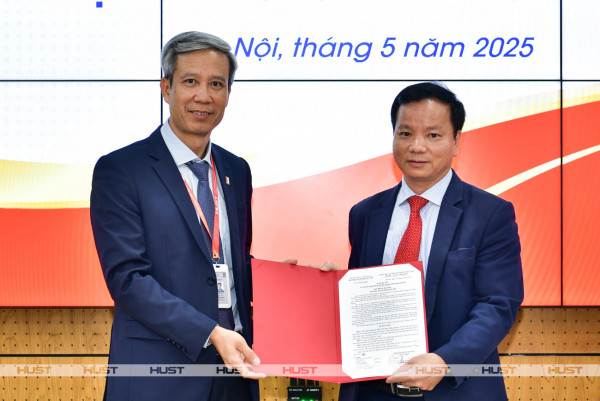 New Vice President Joins HUST Board of Presidency
-
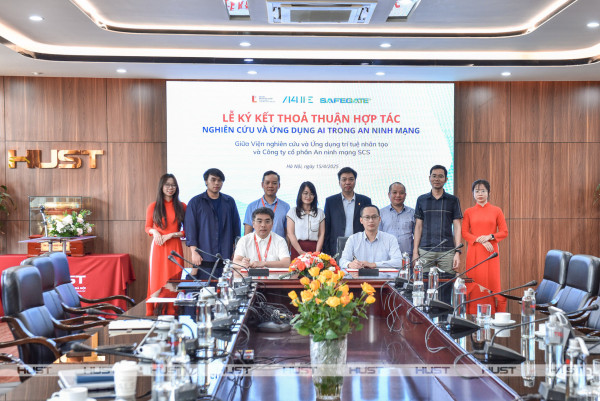 HUST Advances AI Research and Applications in Cybersecurity
-
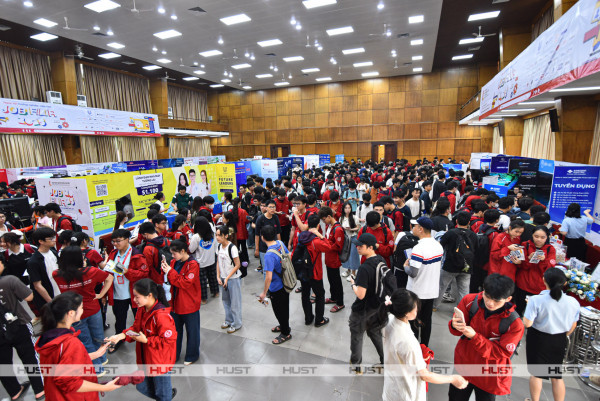 High Demand for HUST Talent at Job Fair 2025
-
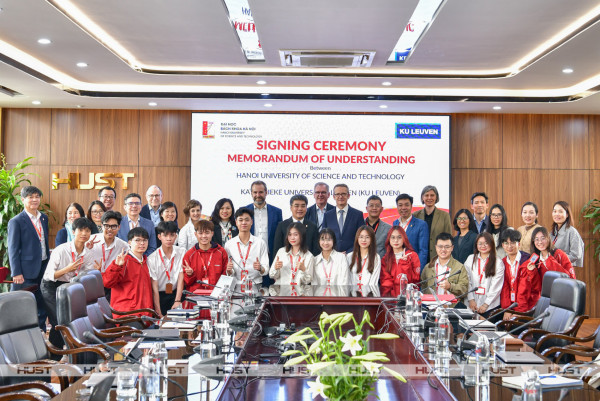 Chemical Engineering Students Can Graduate with KU Leuven...
-
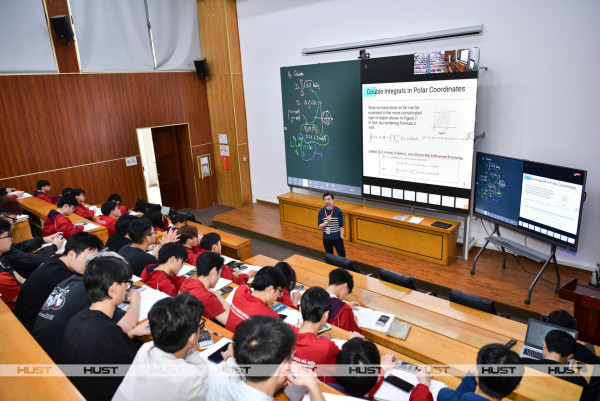 HUST Pilots OMO Model to Enhance Digital Education
-
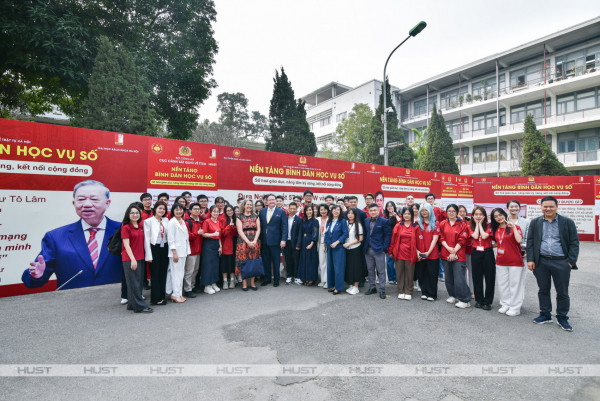 U.S. Ambassador Calls HUSTers the Future of STEM
-
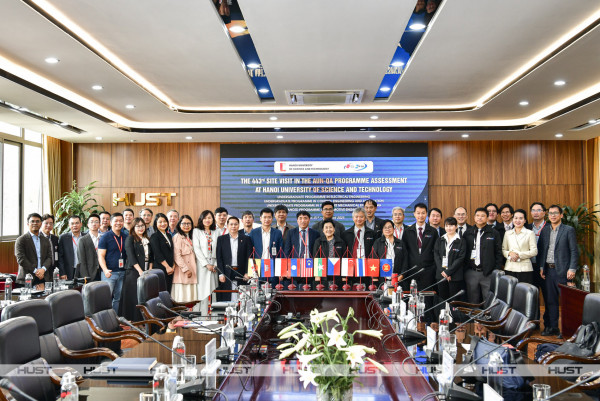 AUN-QA Experts Assessed Engineering Programs at HUST